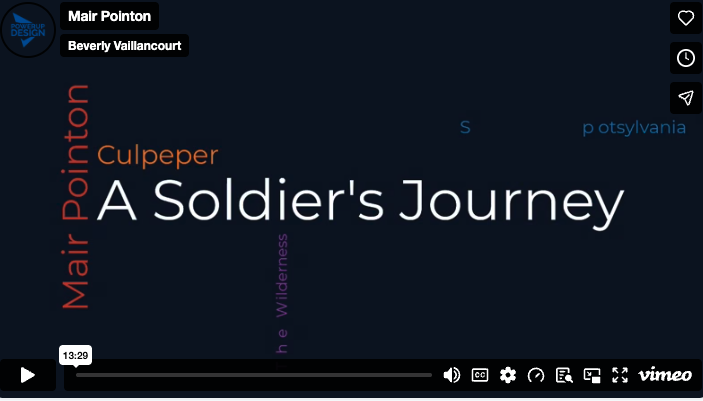
In 1913 the Wisconsin legislature passed a bill that set up a commission to study the possibility of placing memorials at the Antietam and Gainesville battlefields. The legislation became Chapter 700. Sadly, that legislation was lost to history, and the 1913 promise to the living veterans of those two Civil War battles was never realized. Today there is an effort to rectify that forgotten promise, beginning with HR 7495, introduced into the House of Representatives by Rep. Scott Fitzgerald in February 2026. All 8 Wisconsin Representatives support the proposed legislation. However, action on HR7495 in the House and a companion bill from the Senate is a long wait yet to be realized. Click the play button to view the video for a snapshot of Wisconsin’s engagement and sacrifice in these two battles.
YOU CAN HELP!
Today it takes an Act of Congress to place a memorial at a national battlefield. Please contact Representative Tiffany and Senator Johnson to help move this federal legislation forward and make these memorials a reality. Representative Tiffany, from Wisconsin, is chair of the House Natural Resources Committee. HR7495 has yet to be scheduled for a hearing by the House Natural Resources Committee. The proposed legislation does NOT require supporting federal funds yet must still have a hearing, with a subsequent vote, to move it to the full House for a full House vote. Senator Johnson has been approached on several occasions to introduce a companion bill in the Senate, but has yet to do so. Calls and emails to both offices encouraging them to make this long overdue honor a reality would be most helpful (see below).
“Wisconsin blood remains in that soil.” ~ Mark Nielsen, legislative aide to Senator Johnson
Senator Ron Johnson
Phone: (608) 240-9629 (Madison), (920) 230-7250 (Oshkosh), (414) 276-7282 (Milwaukee)
Click HERE to email.
Feel free to download and print the posters to use in your classrooms, veterans meetings, and in other helpful ways.


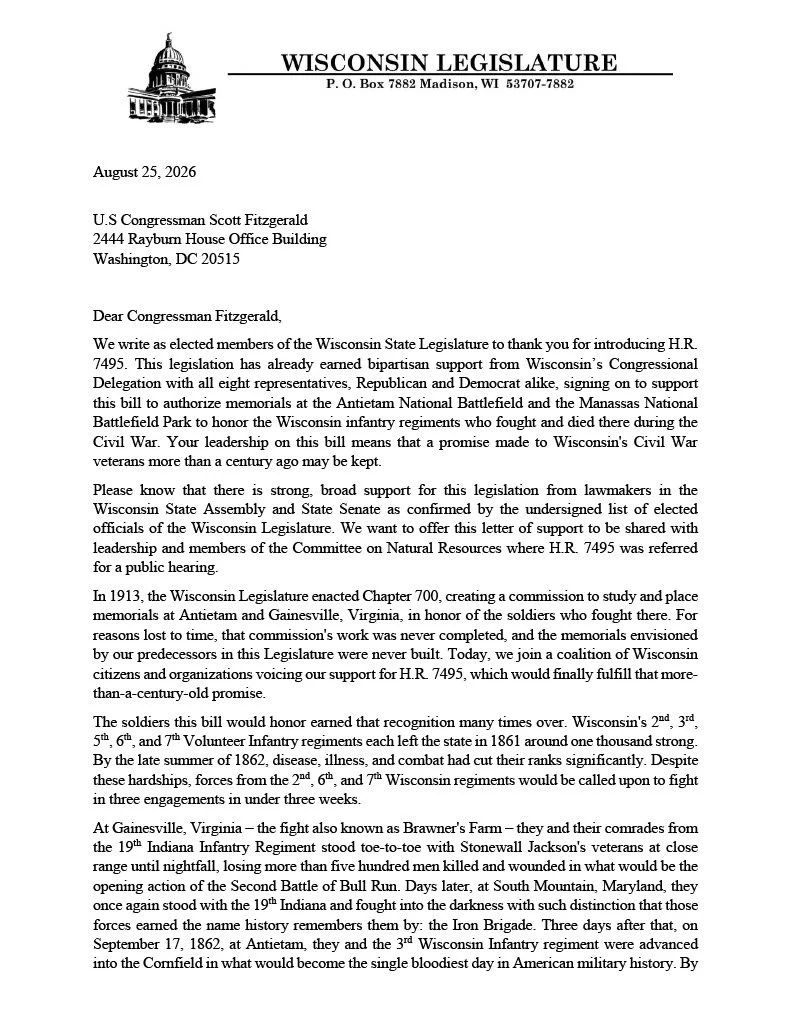
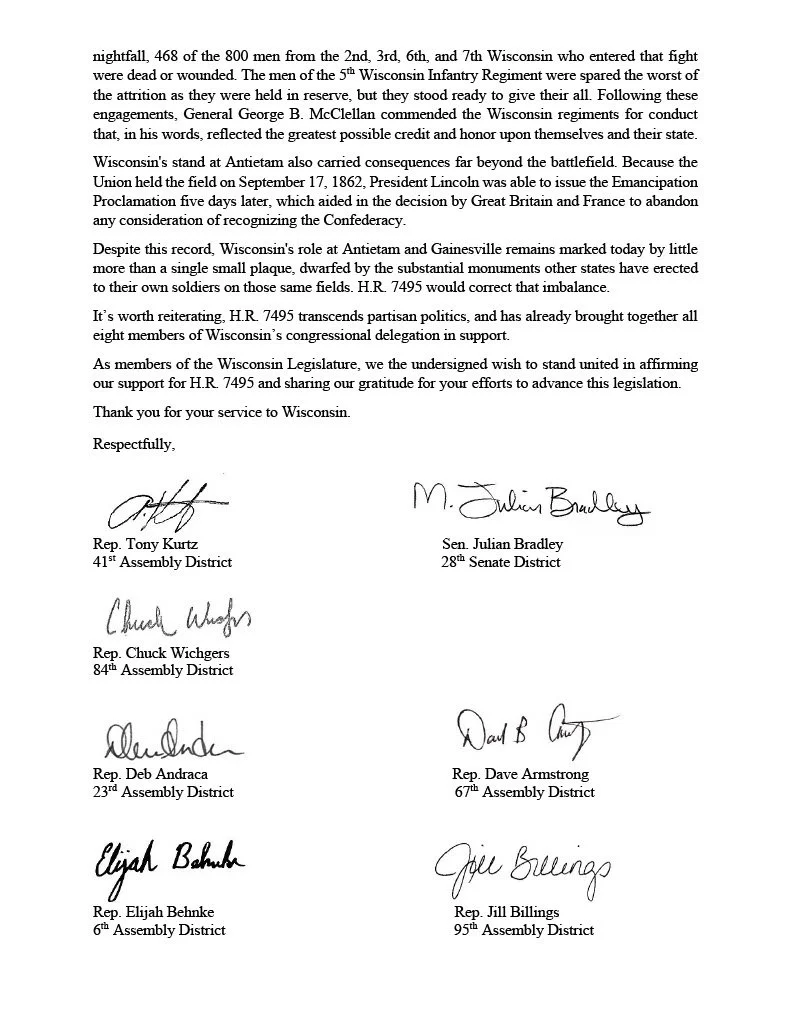
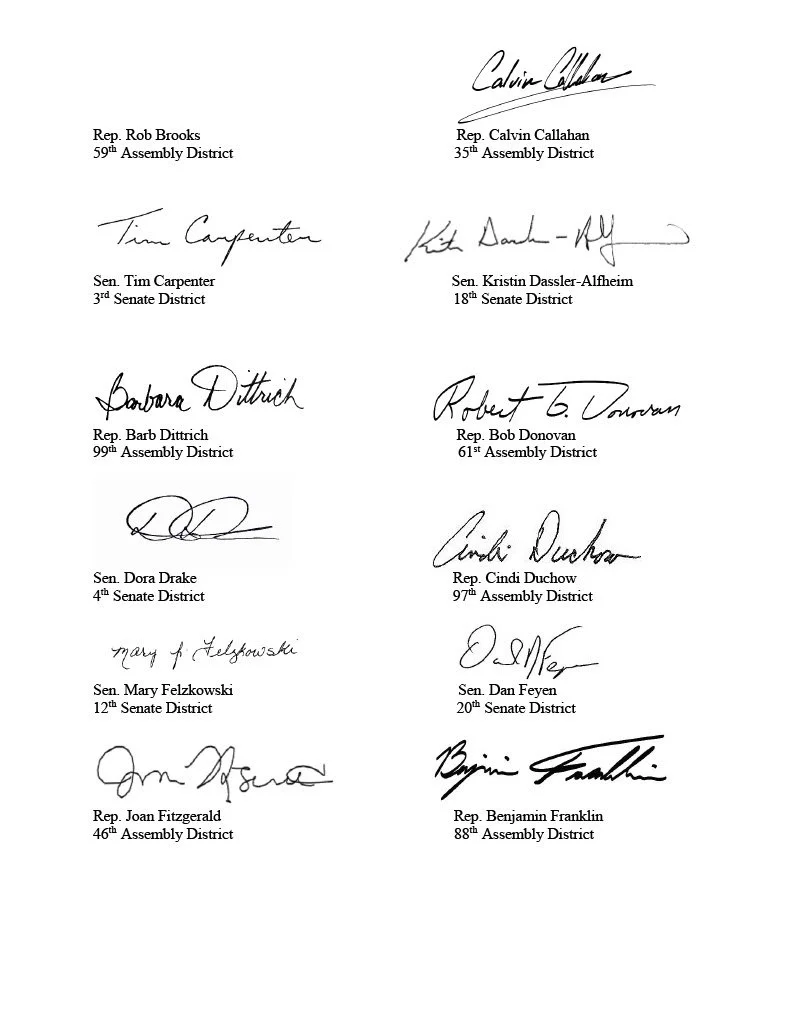
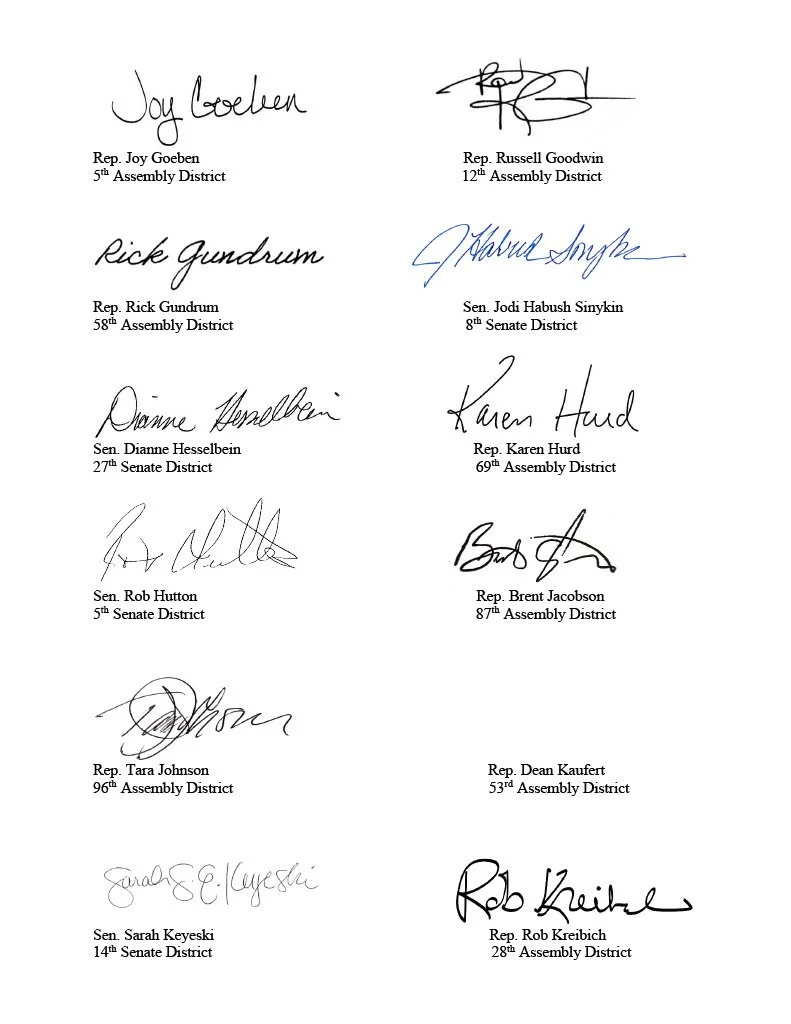
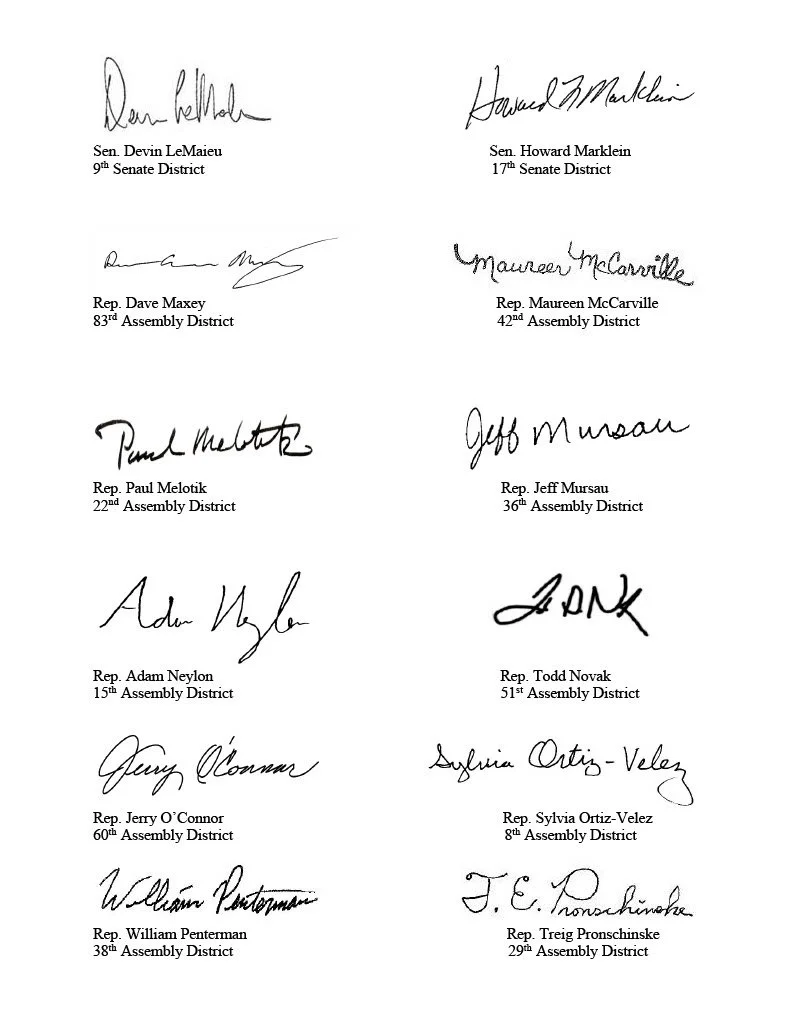
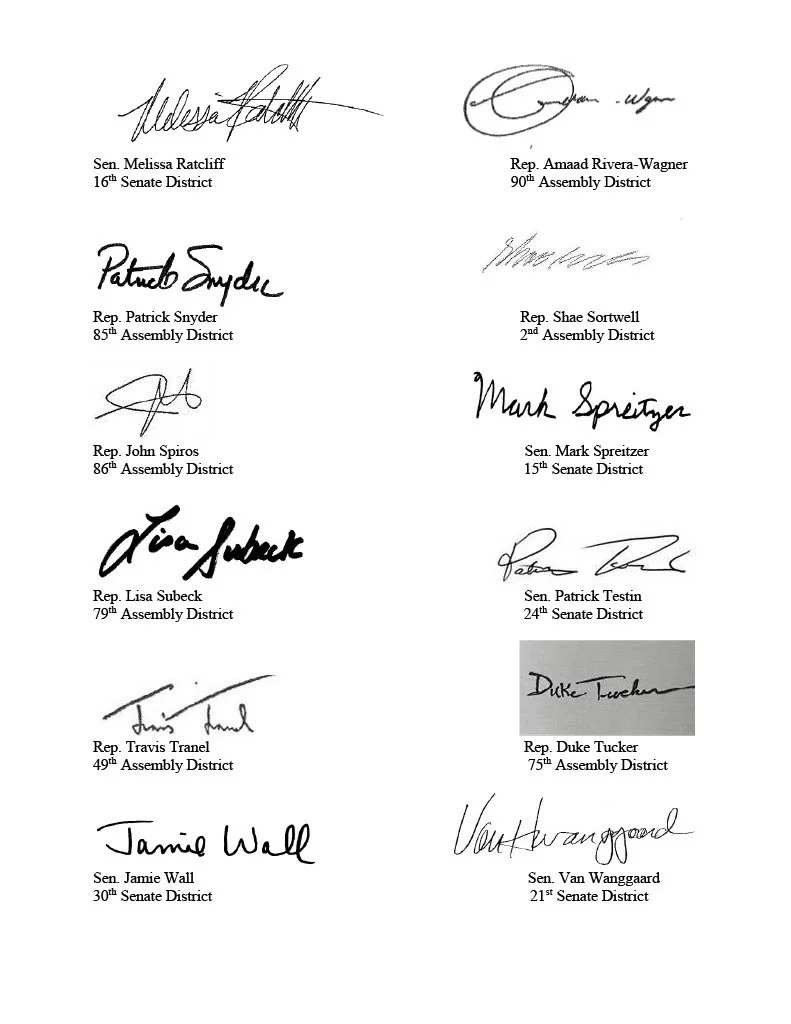
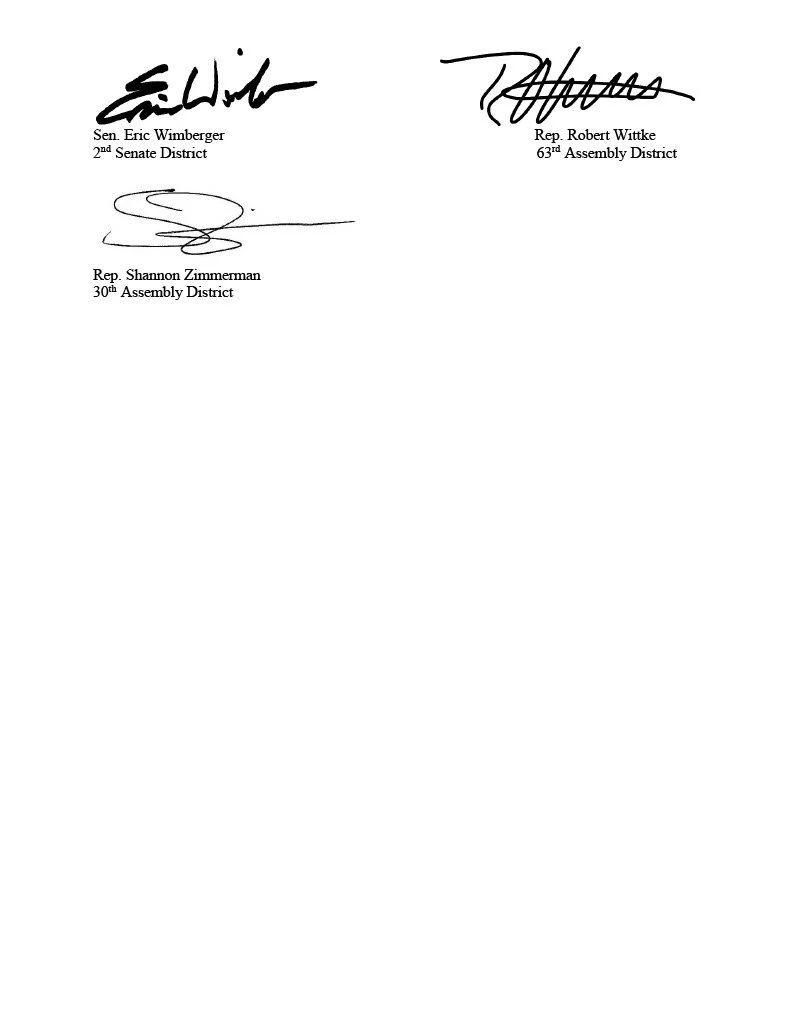
Did your state legislator sign onto this support document? If so, please send out a thank you. If not, please ask why not.
Upon his death in 1896, the living veterans of the Iron Brigade gathered funds to ensure that General John Gibbon, the commander of the Iron Brigade, had a proper tombstone at Arlington National Cemetery.
He does. Included on his tombstone is the Iron Brigade insignia.
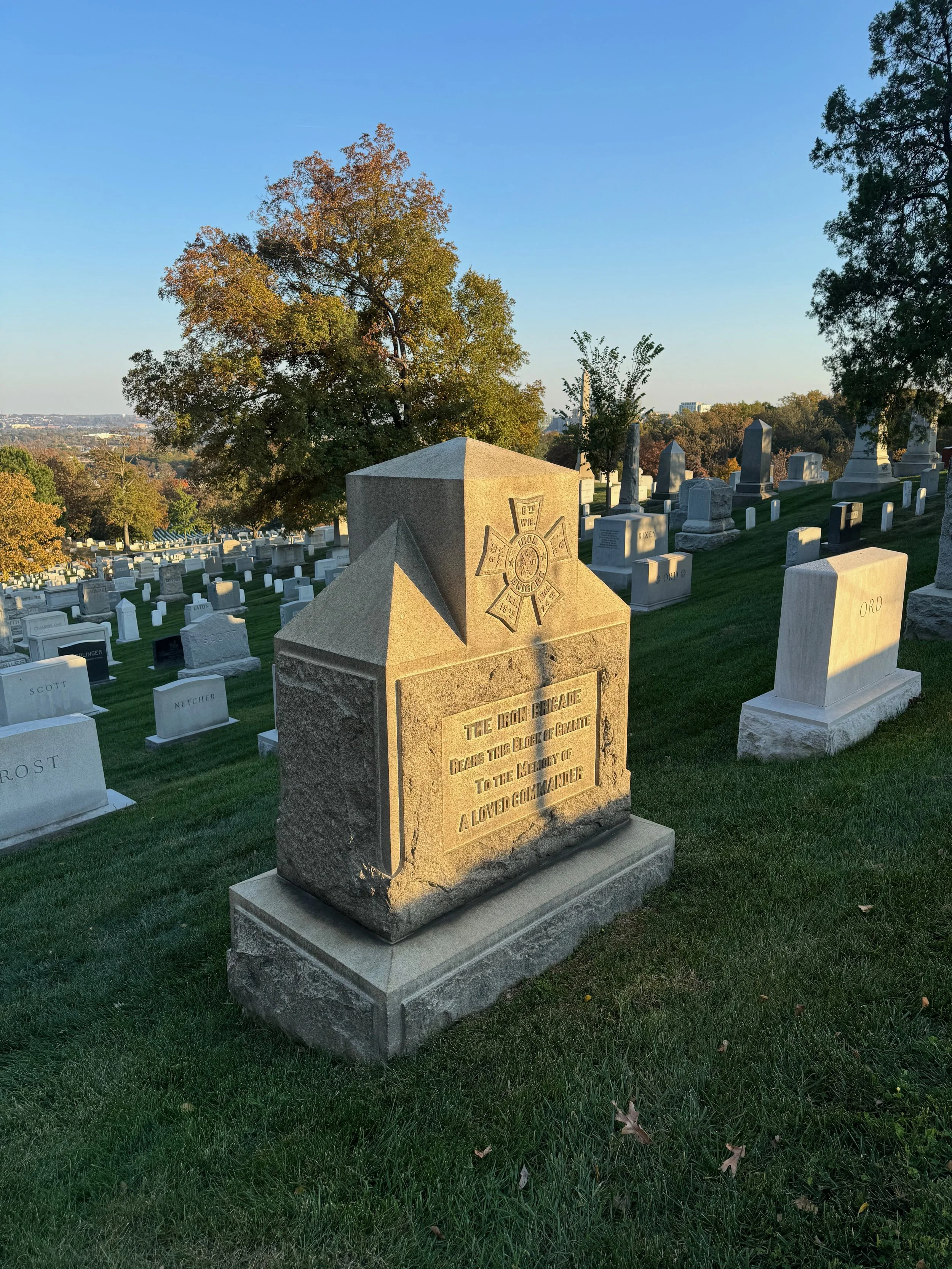
Brigadier General John Gibbon commanded the Iron Brigade—composed primarily of the 2nd, 6th, and 7th Wisconsin, the 19th Indiana, and later the 24th Michigan—from May to November 1862. He strengthened the brigade through rigorous training and discipline and led it during major battles at Brawner’s Farm, South Mountain, and Antietam, helping it earn its reputation as one of the Union Army’s most formidable fighting units.
Congressional Testimony September 16, 2026
On September 16, 2026, Beverly Vaillancourt testified before the Federal Lands Subcommittee of the House of Representatives Natural Resources Committee in support of H.R. 7495, a bill introduced by Rep. Fitzgerald last February. (It was one of eight bills presented at the hearing and the one with the least requirements from them) H.R. 7495 would allow placement of memorials to Wisconsin's 2nd, 3rd, 5th, 6th, and 7th Volunteer Infantry regiments at Gainesville and Antietam National Battlefield Parks with no expenditure of federal funds. Both parks are under the control of the National Park Service (NPS), which is part of the Department of Interior (DOI). To place a memorial at any battlefield controlled by the NPS requires an Act of Congress. Representative Tom Tiffany chairs the Federal Lands Subcommittee. Though he was not present at the hearing due to injuries sustained in a plane crash three days earlier, he sent a statement read into the record supporting the legislation and expressing gratitude that the stories of Wisconsin's soldiers are being kept alive. What follows is Beverly Vaillancourt’s testimony before the Federal Lands Subcommittee. Along with her testimony, Bev Vaillancourt presented the letter signed by 58 Wisconsin legislators, both Republican and Democrat, supporting the initiative.
At the end of the battle at Brawner’s Farm near Gainesville, Virginia, on August 28, 1862, Lt. Col. Fairchild of the 2nd Wisconsin asked with tears in his eyes, “Where, Good God! Where is the Second?” Major Allen, wounded, still with the regiment, replied “Colonel, they are all here – all that is left.” Lt. Col. Fairchild would soon learn that the 2nd Wisconsin had lost 276 killed, wounded, and missing out of the 430 soldiers who had charged into battle. In recalling the battle in the cornfield at Antietam, Rufus Dawes shared, “Men, I cannot say fell; they were knocked out of the ranks by the dozens.” Mair Pointon of the 6th Wisconsin, recalled “In the cornfield, the corn standing so nice in the morning, was cut to the ground when the fight was over.” On October 7, 1862, General George B. McClellan, in a letter to the Governor of Wisconsin said in part, “I add …my great admiration of the three Wisconsin regiments in General Gibbon’s Brigade. I have seen them under fire, acting in a manner that reflects the greatest possible credit and honor themselves and to their state. They are equal to the best troops in any army in the world.”
In 1913 Wisconsin passed legislation that set up a commission with the intent to study the placement of stone memorials at Gainesville and Antietam. And rightfully so. Of the 1,514 men from Wisconsin who entered the Battle of Gainesville, 515 were casualties. While some 800 Wisconsin men engaged in the Battle of Antietam on the morning of September 17th (a battle known as the bloodiest one-day battle in American military history) some 500 Wisconsin men were numbered among those killed, wounded, or missing. The men of these Wisconsin regiments, the 2nd, 3rd, 5th, 6th, and 7th came from across Wisconsin. Farmers, store clerks, businessmen, multiple men from the same family and their neighbors often formed a company, with the patriotic spirit and determination to preserve our great Republic. In battle they saw their family members and neighbors struck down, yet they pushed on. Their dedication and resolve to the cause of preserving the Union transcended their fear, anguish, and grief and sent them back into battle.
That promise made in 1913 to aging Civil War veterans never was realized, as just months ahead World War I would begin and the noble intent of that promise was lost to time. Today we meet here with fervent hope, as we look back in awe at the courage and resolve of the men who left their Wisconsin farms and businesses to do all within their power to preserve the Union, to finally make good on a promise made to them some 113 years ago. Our vision is for memorials that do not obscure the viewscape of the battlefields at Gainesville (2nd Manassas) and Antietam. Made from Wisconsin granite, each 5 to 6 foot high memorial would be graced by a clay rendition cast in bronze of two battlefield paintings we have been given permission to use. Both paintings tell the story of the fortitude, grave determination, and resilience of the Wisconsin men who fought at the battles of Gainesville and Antietam. The intent is to enhance the beauty and visitors' understanding of the battlefield and to finally, finally make good on Wisconsin’s 1913 promise to Wisconsin’s Civil War soldiers.
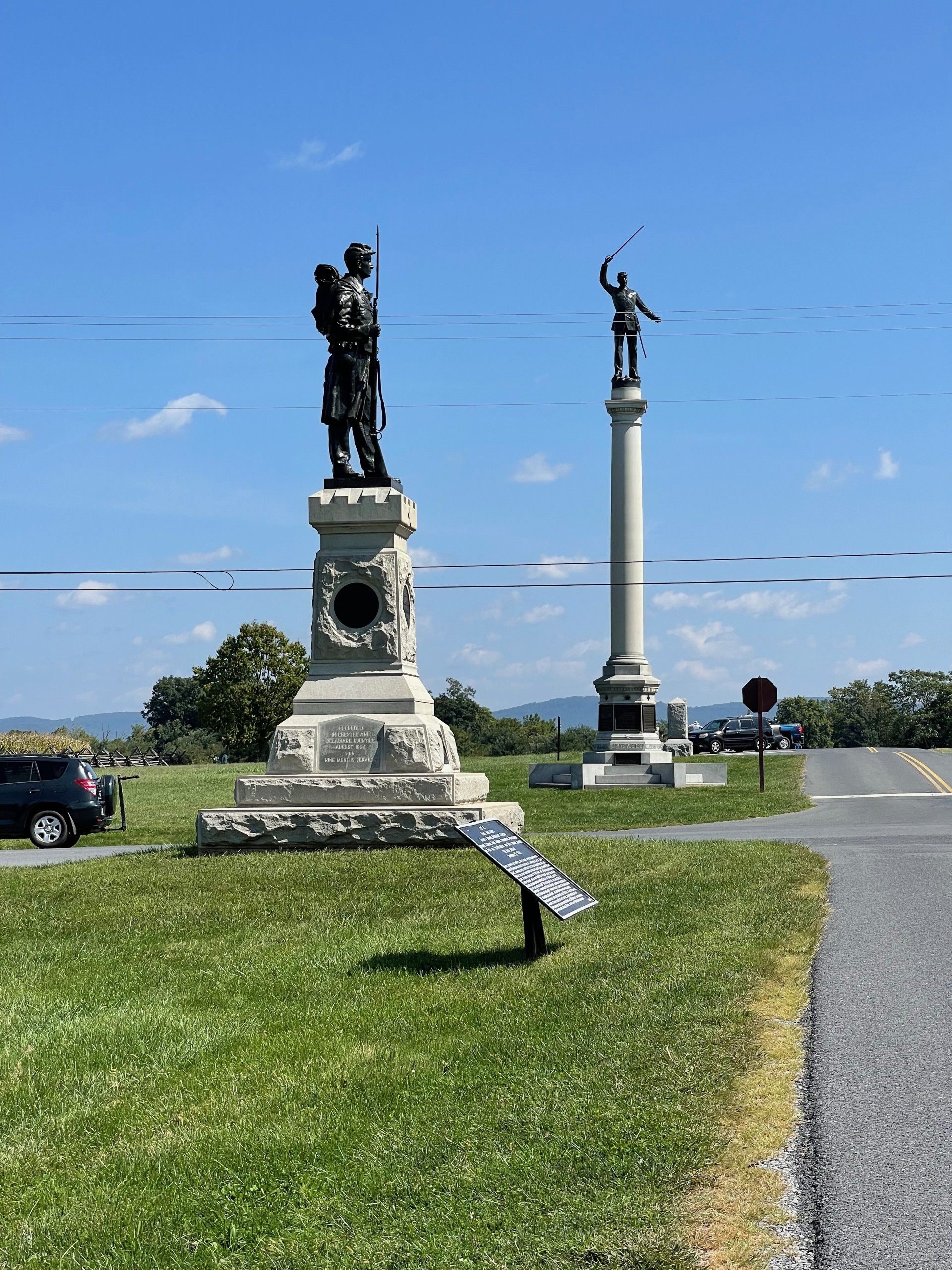
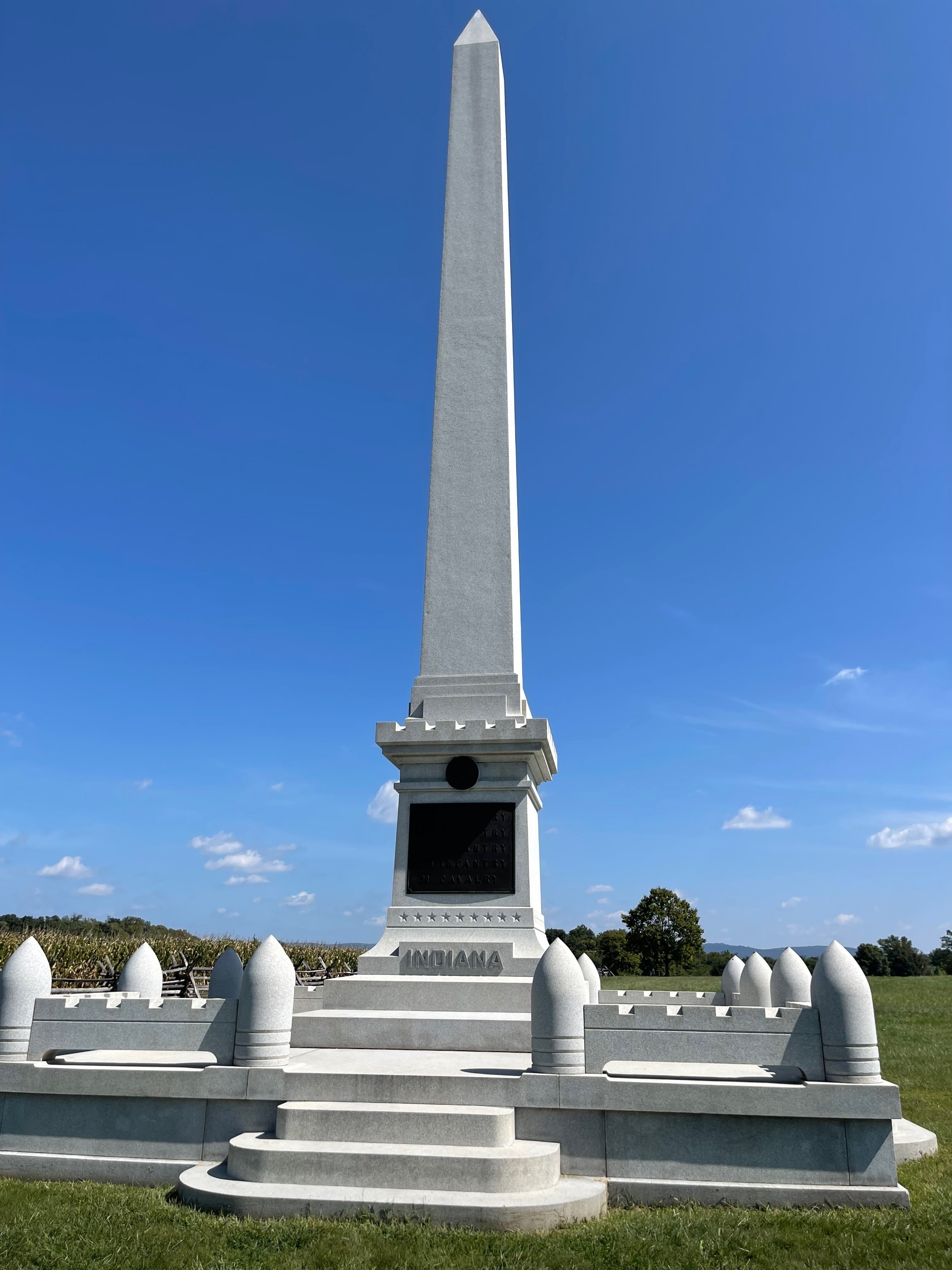
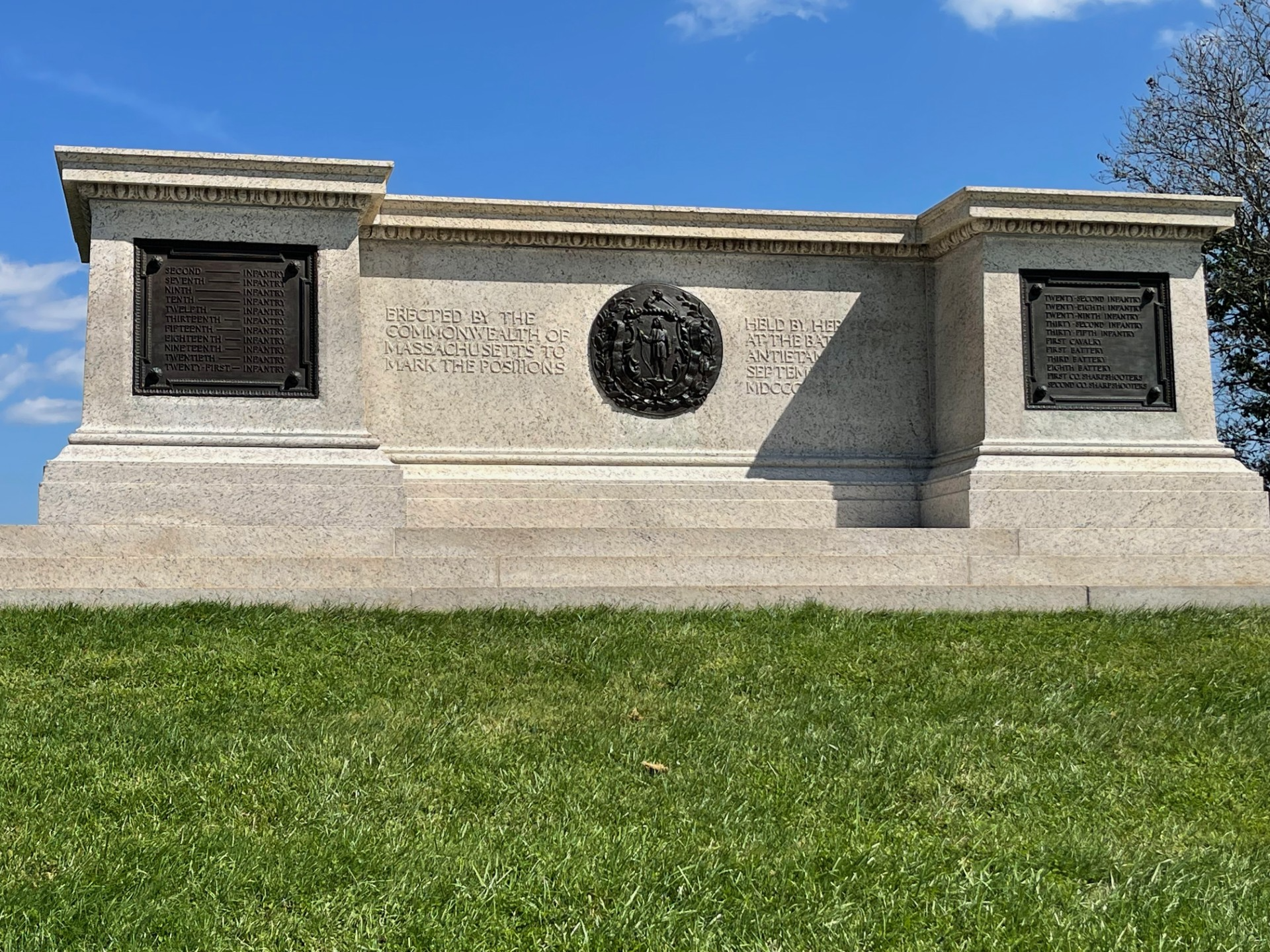
I’ve often been asked why I embarked on this journey. So what if Wisconsin’s small black kiosk sits between the West Woods and the cornfield at Antietam battlefield surrounded by beautiful state memorials from New Jersey, Delaware, Indiana, Massachusetts, Vermont, Pennsylvania, and other states. There is no “so what.” In 1903, when President Theodore Roosevelt dedicated the New Jersey memorial at Antietam, a beautiful, towering memorial that shadows Wisconsin’s small black kiosk, he said, “You men of the Grand Army by your victory not only rendered all Americans your debtors forevermore, but you rendered all humanity your debtors.” His words were as true for the New Jersey men who fought in the cornfield as they are for Wisconsin’s. When General Gibbon died in 1896, Wisconsin’s living Civil War veterans pooled their resources so he could have a proper tombstone at Arlington National Cemetery. And, indeed he does. It sits below Arlington House and is graced by the insignia of the Iron Brigade. Their dedication to the man who commanded them at the battles of Gainesville and Antietam was long remembered and honored. Today we have the opportunity to honor Wisconsin’s efforts in 1862 and pay our respect to the men who valiantly fought to preserve the Union. Beyond everything else, it simply is the right thing to do.
The DOI issued the following statement to the House Natural Resources Committee:
Statement for the Record
U.S. Department of the Interior
House Committee on Natural Resources
Subcommittee on Federal Lands
Legislative Hearing on Multiple Bills
September 16, 2026
H.R. 7495, to authorize the establishment of memorials honoring Wisconsin infantry officers and enlisted men who fought in the Battle of Antietam and the Second Battle of Bull Run
H.R. 7495 would authorize the establishment of memorials to the Wisconsin regiments who fought in the Battle of Antietam and the Second Battle of Bull Run during the American Civil War. The bill would authorize the establishment of the memorials at a suitable location approved by the Secretary of the Interior within the boundaries of Antietam National Battlefield and Manassas National Battlefield Park, respectively. It would require the Secretary to select the persons responsible for establishing each of the memorials and to approve the size, design, and inscriptions of the memorials. While federal funds would be prohibited for the design, acquisition, site selection, or installation of the memorials, the bill would require the NPS to assume maintenance responsibility of the memorials once they are installed.
The Battle of Antietam and the Second Battle of Manassas stand among the Civil War’s bloodiest conflicts. The Department recognizes the courage and sacrifice shown by members of the Wisconsin regiments, many of whom gave their lives. Today, the fields where these units fought are carefully preserved and the NPS is focused on minimizing impacts to these sensitive historic landscapes.
We recommend that the legislation identify a sponsor or sponsors who would be responsible for establishing the memorial, and contributing to the memorials’ long-term maintenance and upkeep in perpetuity, so that these commemorative features, if established, would continue to honor those they are meant to recognize with the care and attention they deserve.
This statement by the DOI is incredibly positive, especially since past efforts by other states to place memorials have failed. I believe the determining factor is that Wisconsin began the process to place these two memorials in 1913, yet that effort was lost to time. It is good to learn that the Milwaukee Civil War Roundtable and the Iron Brigade Association have agreed to sponsor the bill and work with the DOI on the monument's design and maintenance, and the Wisconsin Department of the Sons of the Union Veterans of the Civil War agreed to co-sponsor carrying the responsibility of fund raising.
A few days following the hearing Bev Vaillancourt received two questions from the Natural Resources Committee. One question asked how H.R. 7495 related to the 250th Anniversary of the American Revolution. A second question asked how the great loss by Wisconsin at both battlefields would be conveyed by the memorials. In answer to the first question, I explained that William Dawes, the grandfather of Rufus Dawes, who commanded the 6th Wisconsin, rode with Paul Revere to let the good people of Lexington and Concord know that "the British are coming." Additionally, Rufus King, grandfather of Brigadier General Rufus King (who helped organize the Iron Brigade) signed the U.S. Constitution on September 17, 1787, exactly 75 years to the day before the Battle of Antietam. I also pointed out that men who fought in the American Revolution and men who fought in the Civil War voluntarily left their farms and businesses to preserve the country. To answer the second question, I sent the Committee images of three works of art that could be sculpted in clay and cast in bronze to tell the story of the battles. These designs would include a soldier's quote and numbers of soldiers in battle vs number of casualties. I also explained that the purpose of the memorials would be to deepen individuals' understanding of the dedication and ultimate sacrifice of Wisconsin's effort to preserve the Union.
On October 8, 2026, Bev Vaillancourt was again in Washington, D.C. to meet with Sen. Johnson's staff to discuss the possibility of a Senate companion bill. Many thanks go out to Gary Carlberg and Marc Storch for their ever-present assistance with this legislative journey.
The images below show the black kiosk placed in 1897 that describes Wisconsin's efforts in the Battle of Antietam surrounded by memorials from Delaware, New Jersey, Vermont, and other states. To the left is Indiana's memorial. To the right is Massachusetts's memorial. Down the road are several memorials to Pennsylvania's regiments. In the battle in the Cornfield where these memorials are placed, Wisconsin suffered some 500 casualties among the 800 soldiers who fought on the morning of September 17, 1862. There is no memorial to Wisconsin's efforts at Gainesville, even though Wisconsin suffered a similar number of casualties in the battle at Brawner's Farm. It is truly time to make good on Wisconsin's 1913 promise to the GAR.
Learn more! Click on each image to watch the videos and hear their stories. Follow their Civil War journeys in this video series.